
Home >  Products >  Laser Welding Machine >  Fiber Welding Series >  Plastic Laser Welding Machine

>
<

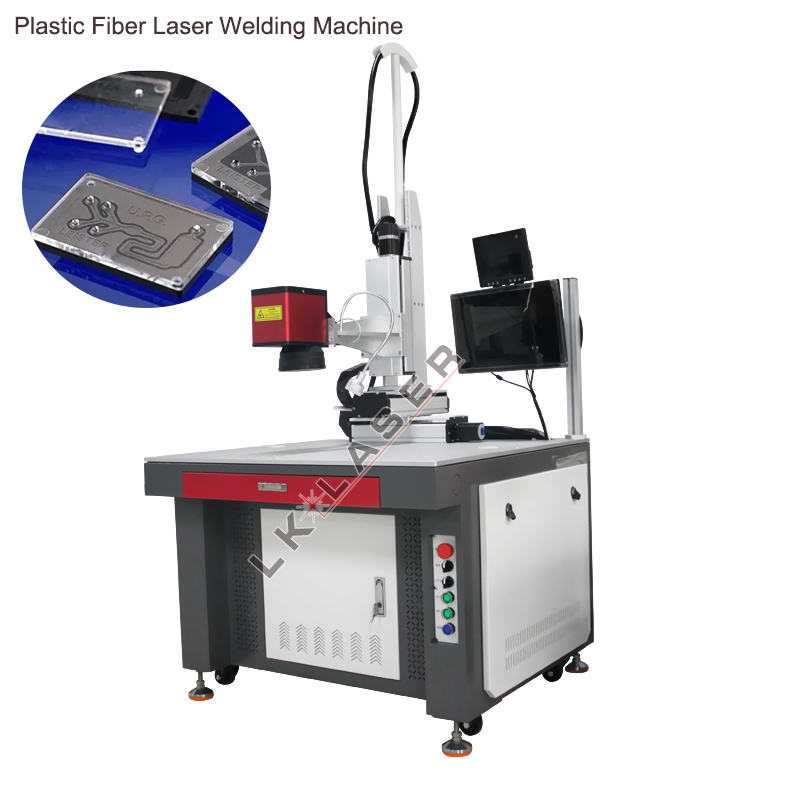
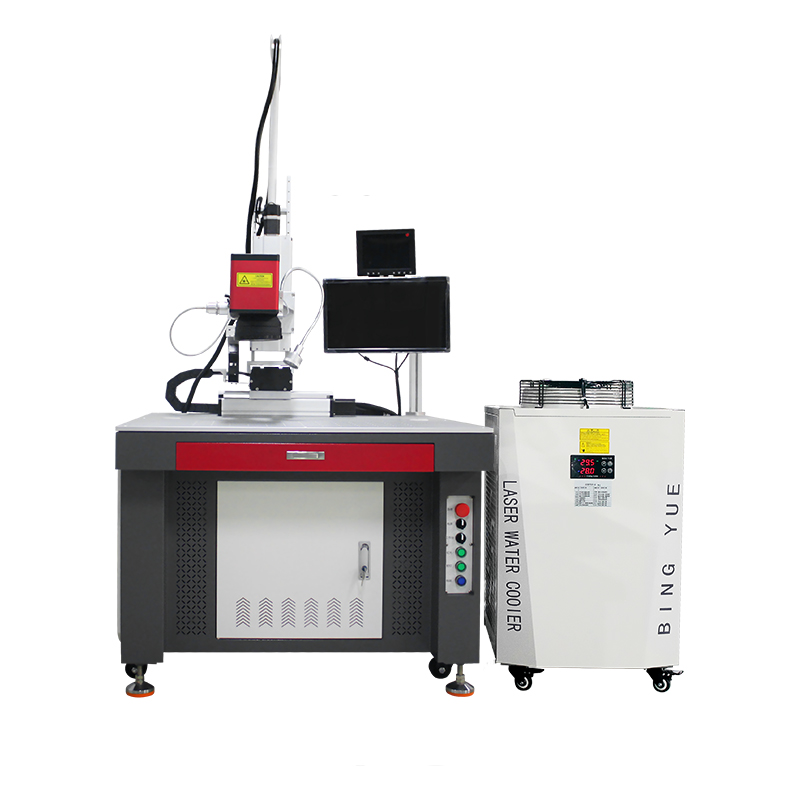
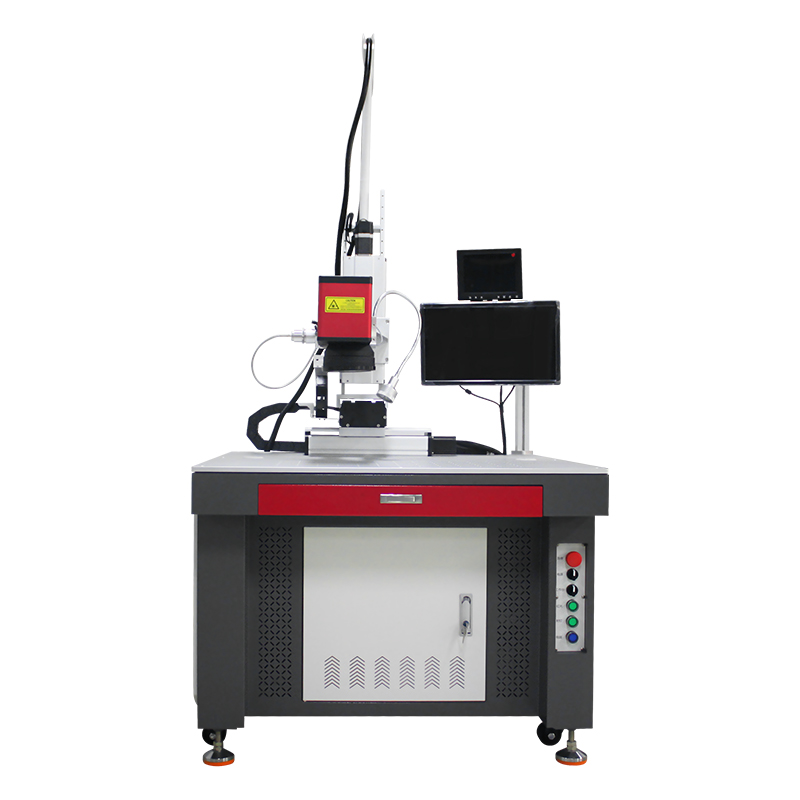
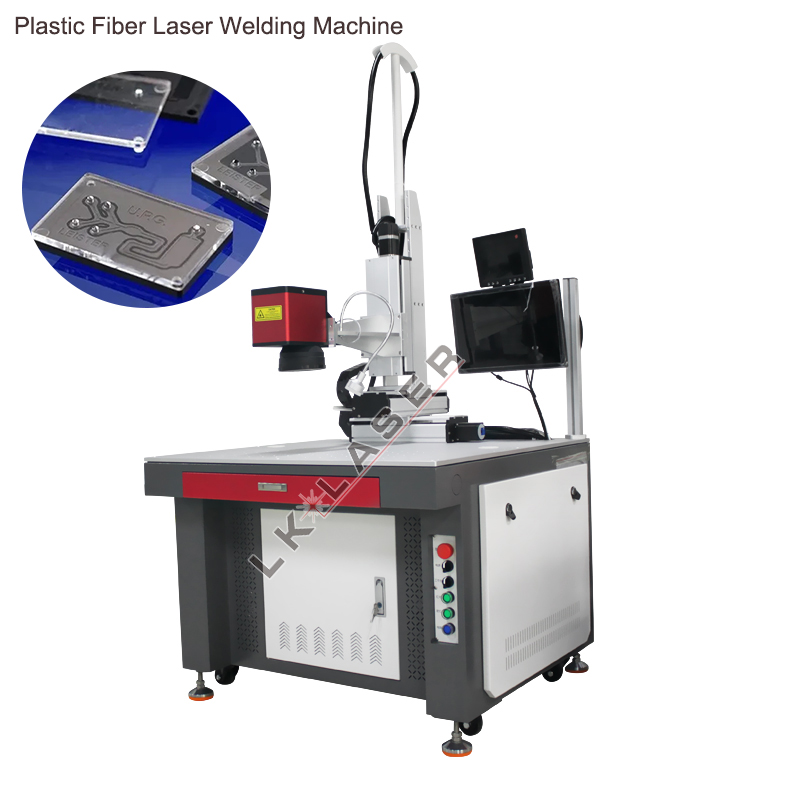
Plastic Laser Welding Machine

Model :LK-GQF

Power options : 100W/ 200W/ 300W semiconductor Laser 

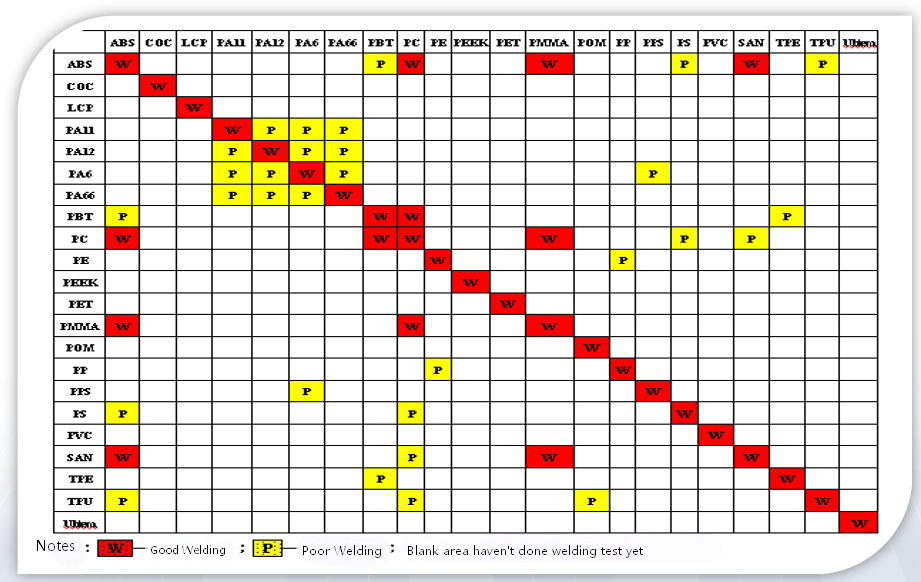
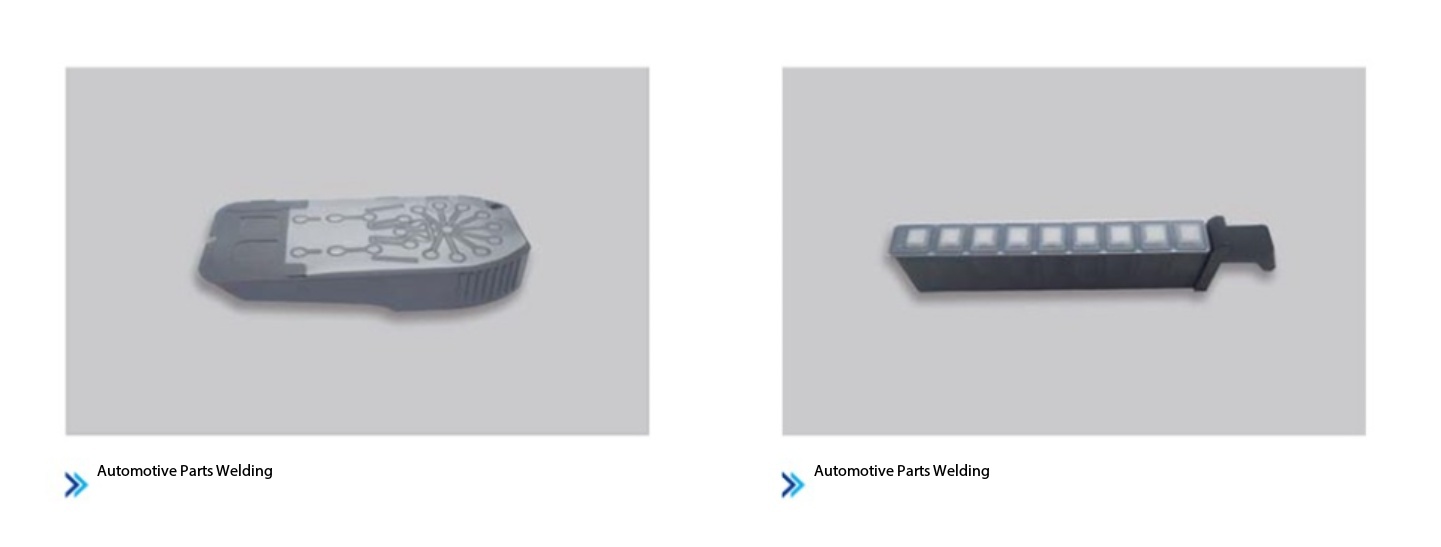
Application Materials :  such as  ABS, PVC, PE, PP .......plastic, top welding material be transparent color plastic, bottom welding material be black color plastic 

Product Advantages : No flash, burr or dust after welding; narrow heat-affected zone, smooth surface without secondary polishing 

24 Month maintenance

Fast delivery

24 Hour treatment

Product Details

Description

Technician Specification

Packing List

Feature :
1. High weld strength nearly equal to base material, excellent airtight and watertight performance. 
2. Simple hold-down fixture with low clamping pressure, thin-wall plastic parts free of deformation, fast model changeover. 
3. Semiconductor laser plastic welding features high precision, smooth weld appearance, airtight sealing, no vibration damage, low operation cost and eco-friendly processing, widely used for shower heads, plastic valves and precision electronic plastic housings. 

Working Principle of Semiconductor Laser Plastic Welding

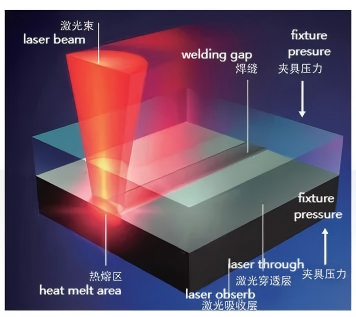
This technology relies on two layers of plastic with different light transmittance. The upper transparent plastic transmits near-infrared laser light, while the lower light-absorbing plastic absorbs laser energy and converts it into heat. The contact surface of both plastics melts under heat, and molecular fusion occurs under the pressure of the hold-down fixture. After cooling, the two plastic parts are permanently bonded into one piece.

Basic Premise of Plastic Laser Welding: Two Layers of Plastics with Distinct Optical Properties Must Be Stacked and Clamped
Upper plastic layer (light-transmissive layer): It features high transmittance to wavelengths of semiconductor lasers (common options: 808nm / 915nm), allowing laser beams to pass through with nearly zero energy loss. This layer is usually natural transparent or light-colored plastic, such as PP, ABS and PC blended with transparent color masterbatch.
Lower plastic layer (light-absorptive layer): Laser absorbers (carbon black, special light-absorbing masterbatch) are added into this layer to fully absorb laser light energy, which is instantly converted into thermal energy.
The two workpieces must be tightly pressed together by a hold-down fixture with no gaps left between them — this is an essential prerequisite for successful welding.

II. Complete Physical Process (4 Steps)

Step 1: Laser penetrates the upper layer
A semiconductor laser emits near-infrared laser light that vertically irradiates the workpiece surface. The laser smoothly passes through the light-transmissive upper plastic and reaches the contact interface between the two plastic layers.
Step 2: Light energy converts into heat energy for localized melting
The light-absorptive plastic at the lower layer absorbs laser energy at the interface and instantly heats up to the plastic melting temperature. Heat transfers backward to the contact surface of the upper plastic via thermal conduction, melting the contact zones of both plastics simultaneously to form a molten pool.
Step 3: Interpenetration and fusion of polymer molecules
The fixture maintains continuous clamping pressure. Polymer chains of the two molten plastics diffuse and interweave with each other, achieving bonding at the molecular level.
Step 4: Cooling and solidification to form an integrated weld seam
After the laser stops emitting light, the molten pool cools down rapidly by natural heat dissipation. The melted area re-solidifies, firmly bonding the two plastic parts into a single piece and completing the welding process.

III. Explanation of Core Characteristic Principles

1.Only the interface melts while the outer surface remains intact
Laser energy is only converted into heat at the contact interface of the two layers. The outer surface of the plastic will not melt under high temperature, resulting in smooth finished parts free of burn marks and flash.

2.Vibration-free and adhesive-free bonding
Bonding is achieved through physical fusion by light and heat, eliminating the need for ultrasonic vibration or liquid adhesives. It avoids damage to internal precision components and produces no chemical volatile substances.

3.Only laminating pressure is required
Light compression force from the hold-down tooling is sufficient. Unlike hot plate welding that relies on high-temperature die pressing, thin-walled plastic parts are less prone to deformation.
Plastic laser welding machine  


plastic laser welding
Plastic welding material

Laser power

100W/ 200W/ 300W

Laser Type

Semiconductor laser  

Focus mode

Manual /automatic

Axis 

3 axis 

Welding head

LK Laser

Cooling system

Air Cooling/ Water cooling 

Welding speed

20m/min

Repeatability

+-0.03mm

Welding accuracy

+-0.05mm

Welding software 

Caddsp

Welding control card

LK LASER

Machine packing size

130*117*182CM

Machine net weight

 315kgs 

Machine gross weight

 338kgs 

1 foot switch  1 USB disk 
1 safety googles  1 Tookkits 
Machine  Manual